
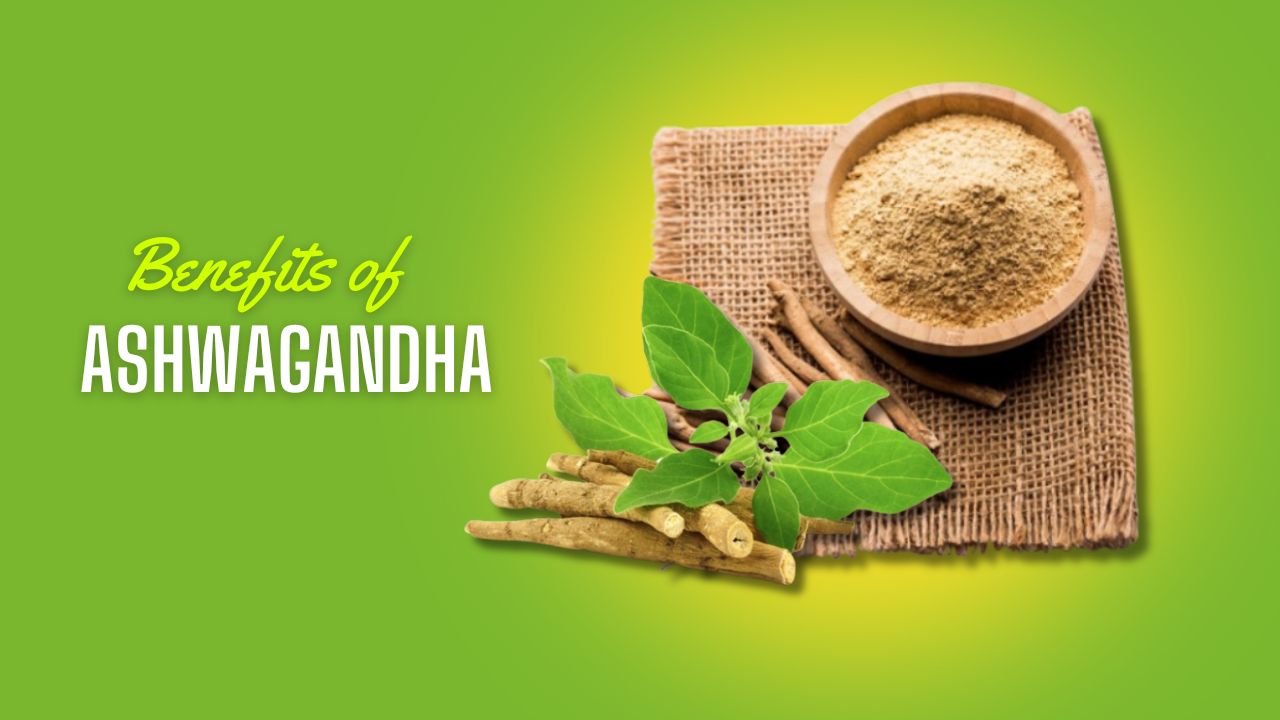
The Ashwagandha word is taken from Sanskrit, which means ”smell of horse”. Ashwa denotes ‘horse,’ and gandha denotes ‘smell.’ It is believed that those who take ashwagandha will gain horse-like strength and vitality. Ashwagandha Plant, native to India, North Africa, and the Middle East, is a small shrub that has yellow flowers and red fruit. The extract is mainly taken from the berries or roots of the plant.
Ayurveda uses herbs, special diets, and other natural practices for the treatment of a variety of conditions. Ashwagandha is known as a Rasayana in Ayurveda, which means it’s an herb that helps rejuvenate and strengthen mentally and physically. The herb is considered one of the most important herbs in Ayurveda, a healthcare practice that started in India over 6000 years ago.
How Ashwagandha Has Been Used Traditionally for Centuries
For thousands of years, Ashwagandha has been one of the most revered herbs in the Ayurvedic system of medicine. Known scientifically as Withania somnifera and commonly called Indian ginseng or winter cherry, this powerful adaptogenic herb has been used in India for centuries to promote strength, vitality, and resilience.
In classical Ayurvedic texts such as the Charaka Samhita and Sushruta Samhita, Ashwagandha is classified as a “Rasayana” herb—a category of rejuvenating remedies believed to support longevity, energy, and overall vitality. Traditionally, Ayurvedic practitioners recommended Ashwagandha to help restore balance in the body, particularly for people experiencing fatigue, weakness, stress, or nervous exhaustion.
“बल्यं वृष्यं रसायनं च अश्वगन्धा।”
-Charak Samhita
Meaning:
Ashwagandha is considered a Balya (strength promoter), Vrishya (supports vitality and reproductive health), and Rasayana (rejuvenating herb)
Ancient Ayurvedic texts such as the Charaka Samhita describe Ashwagandha as a powerful Rasayana herb that strengthens the body, improves vitality, and supports longevity.
For generations, families across India have used Ashwagandha root in simple home preparations such as herbal powders, tonics, and warm milk infusions. These traditional remedies were often given to improve stamina, support restful sleep, enhance physical strength, and help the body cope with daily stress.
In Ayurveda, Ashwagandha is also valued for its ability to nourish the nervous system, strengthen muscles, and support reproductive health. Because of these qualities, it has historically been recommended for students, athletes, recovering patients, and individuals seeking to maintain vitality as they age.
Today, modern scientific research is beginning to validate many of these traditional uses, revealing how Ashwagandha’s natural compounds—particularly withanolides—may help regulate stress hormones, support cognitive function, and improve overall well-being.
With this long history of traditional use, let’s explore the 10 secret benefits of Ashwagandha that make this herb so powerful.
What are the 10 Secret benefits of Ashwagandha?
As we know, ashwagandha is beneficial for fighting different types of diseases and strengthening the body. Some magical benefits of ashwagandha are as follows:
1. Stress
Ashwagandha is perfect for those suffering from stress, as it inhibits a high level of cortisol (the stress hormone). It is, in fact, used in tranquilizers and antidepressant drugs; it helps in relieving mental and physical stress.
2. Joint pain
Ashwagandha has a rich history in Ayurveda, known for its wound-healing abilities. Traditionally, fresh leaves were used topically to heal joint pains, skin sores, and reduce swelling.
3. Anxiety
Ashwagandha is a natural adaptogen; it has a calming effect on anxiety when compared to the drug lorazepam(sedative and anxiety medication). According to the study published in the journal, phytomedicine showed that herbs had the ability to reduce anxiety levels. Actually, the two treatments show the same level of relief in anxiety. It shows that ashwagandha has an effect in reducing anxiety.
4. Increases stamina and muscle mass
In Ayurveda, ashwagandha is referred to as balya, which means it has the ability to enhance strength. It increases energy, stamina, and endurance; it also increases muscle mass, reduces body fat, and increases strength.
“अश्वगन्धा बलवर्धिनी शुक्रला च।”
-Sushruta Samhita
Meaning:
Ashwagandha increases strength and supports reproductive vitality.
This is why Ayurveda traditionally recommended it for fatigue, weakness, and recovery after illness.
5. Heart health
Ashwagandha has a variety of benefits to heart health, including the treatment of
- high blood pressure
- high cholesterol
- chest pain
- heart disease
According to the study published in the Journal of Ayurveda, research found that using the herb for heart health (with the combination of another Ayurvedic herb) helped improve muscle strength and endurance.

6. Alzheimer’s treatment
As these diseases progress, parts of the brain and its connective paths start to be damaged, which leads to loss of memory and its function. According to the study published in the African Journal of Traditional Complementary and Alternative Medicine, several studies have examined, and it shows that ashwagandha has the ability to slow or prevent loss of brain function in people with diseases like Alzheimer’s, Huntington’s, and Parkinson’s.
7. Boosting immunity
Ashwagandha boosts the body’s immunity, and it also has anti-cancer agent properties as it slows the growth of cancerous tumors.
8. Hormone Balance
Ashwagandha acts on the endocrine system by encouraging hormone balance. According to Dr.Ashutosh Gautam, clinical operation and coordination manager at Baidyanath, several studies show that it reduces symptoms such as hot flashes and mood swings during menopause.
9. Insomnia
Ashwagandha has rejuvenating properties, which make them very effective in treating insomnia. It calms the nervous system, rid of stress and sleeplessness.
10. Cancer
Ashwagandha has been used in all forms of cancer treatment, including prostate and lung cancer. In the last stage, patients get a lot of health benefits.
We can use Ashwagandha powder or capsules as preventive care to protect ourselves from deadly viruses.
Dosage
2- 5 gm Ashwagandha powder is mixed with honey and warm milk to calm the Kapha and regulate Sleep. We can also have a cup of hot milk mixed with a teaspoon of powdered ashwagandha before bedtime.
Side effects
Ashwagandha is generally considered well-tolerated in small to medium doses. But there have not been enough studies to examine the possible side effects.
Pregnant women should avoid using ashwagandha because it can cause early delivery or miscarriage.
What is My Experience with Ashwagandha Powder?
I have been using Ashwagandha powder since 2018. I started using it for Two Reasons
- First, I started feeling very tired after my job, as the whole day was very hectic and
- My stamina decreased, and I felt fatigued when climbing the stairs or playing games.
As I have always been interested in Ayurveda and yoga, I read a lot about herbs and their uses. I brought Ashwagandha Powder and started taking a powder of less than half a tablespoon regularly for 2 months, and I found that my stamina was increased, and I felt very active. Even today, I take it regularly for 20 days every month and break for 10 days. This is the best herb, as described in Ashtanga Hridaya written by Vagbhata, “रसायनानां श्रेष्ठा अश्वगन्धा।” Which Means Among rejuvenating herbs, Ashwagandha is considered one of the most effective for restoring vitality and strength.
That is my experience with this herb. You can try it if you want, that’s completely your call.
FAQ
Are ashwagandha gummies safe?
Absolutely, Ashwagandha gummies deliver the same array of advantages as their capsule counterparts, while boasting the added convenience of being easy to consume. Whether you’re seeking an energy boost or a natural stress-reduction method, Ashwagandha gummies provide an excellent solution.
Ashwagandha is generally considered safe when used responsibly; individual reactions can vary. It’s crucial to consult with a healthcare provider before adding any new supplement, including Ashwagandha gummies, to your routine, especially if you have underlying health conditions or are taking medications. Your doctor can give you advice that’s just right for your own health needs.
Can Ashwagandha make you sleepy?
Ashwagandha isn’t a sleep-inducing remedy; it won’t make you feel drowsy or put you to sleep directly. However, it can be a valuable component of a comprehensive approach to enhancing your sleep. By helping to alleviate stress and anxiety, two common culprits behind sleep problems, Ashwagandha may indirectly contribute to better sleep quality.
By calming the mind and promoting relaxation, it can create a more conducive environment for restful sleep. So while it doesn’t act as a traditional sleep aid, Ashwagandha can certainly play a supportive role in achieving a more peaceful and restorative night’s sleep.
Can Ashwagandha increase the height?
Ashwagandha is not scientifically proven to increase height. Genetic factors primarily determine height, and once the growth plates in the bones close after adolescence, it’s unlikely that any natural substance, including Ashwagandha, can significantly impact height.
While Ashwagandha is known for its potential health benefits, including promoting overall well-being and reducing stress, it should not be relied upon as a means to increase height. If you have concerns about your height,
Doing Exercises like stretching the body and doing some pull-ups might work in increasing height to some extent.
Can ashwagandha be consumed with food?
Yes, Ashwagandha can be consumed with food to avoid potential stomach upset, as some individuals may experience digestive discomfort when taking it on an empty stomach. While Ashwagandha can be taken at any time of the day, including with meals, it is essential to consider personal preferences and tolerance levels when deciding how to incorporate it into your routine
Feedback: Give your feedback regarding the article in the comments below. Your feedback is valuable to us. If you like the article, share it with your friends and colleagues. We truly believe in sharing is caring.
(Disclaimer: This Article is for informational purposes only. Consult with a healthcare provider before adding any new supplement.
Suggested Articles from Ayurveda Sci.
- Get Better Sleep in 2023: Tips and Strategies for Improved Sleep Quality.
- Unlocking the Weight Loss Potential of Turmeric: How the Ancient Spice Can Boost Metabolism and Reduce Inflammation.
- Top 5 Ayurvedic Medicine For Maintain Strong Muscle.
- 9 Incredible Benefits Of Onion To Treat Diseases
Web Stories(Visual Stories) from Ayurveda Sci.


So useful information…awesome👌👌👌👌👌
Thanks for such wonderful blog. Dwibhashi’s Ashwagandha Lehyam is an ayurvedic immunity booster.Dwibhashi’s Ashwagandha Lehyam is rich in anti-oxidants, and it is an effective ayurvedic product.