
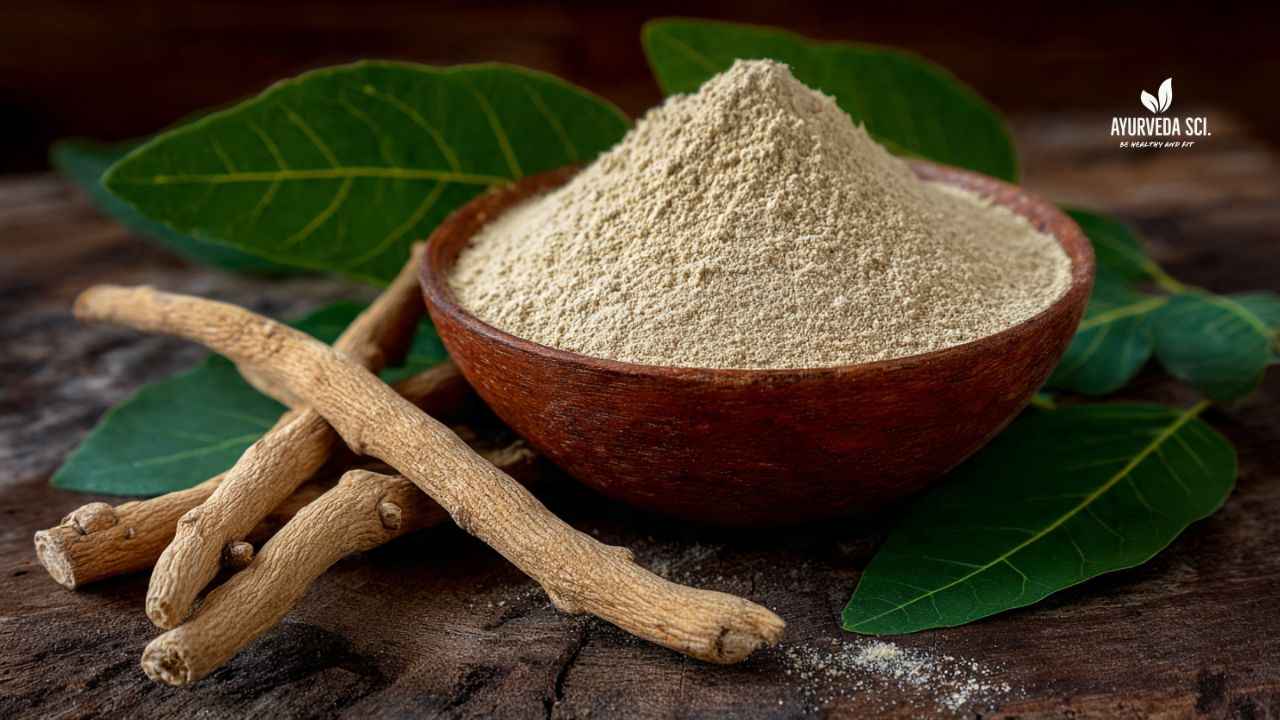
Walk into any health store or search online for an ashwagandha supplement and you will face an immediate problem: dozens of products, wildly different labels, and no obvious way to compare them. Some say “KSM-66.” Others say “Sensoril.” Many just say “ashwagandha root powder” with nothing else. These are not minor differences in branding. They represent fundamentally different products with different potencies, different research backing, and different best uses.
This section cuts through the noise and gives you a clear, honest comparison of the three most common forms you will encounter.
The key variable: withanolide content
Before comparing products, you need to understand the one number that matters most on any ashwagandha label: withanolide percentage.
Withanolides are the primary active compounds in ashwagandha — the molecules responsible for its adaptogenic, stress-lowering, and performance-enhancing effects. A higher withanolide percentage means more active compound per gram of product, which means a smaller dose achieves the same effect. When a label does not state a withanolide percentage at all, treat that as a red flag. If your supplement label does not list a withanolide percentage, you are essentially guessing at the potency.
Raw root powders are generally low in active compounds — typically less than 1% withanolides — and are poorly absorbed unless properly prepared. Standardised branded extracts solve this problem by concentrating and guaranteeing the active compound content in every batch.
Side-by-side comparison table of Raw Ashwagandha vs KSM-66 Vs Sensoril
| Raw Ashwagandha Powder | KSM-66 | Sensoril | |
|---|---|---|---|
| Plant part used | Root only (dried, ground) | Root only | Root + leaf |
| Withanolide content | 0.5% – 1% (variable) | Min. 5% (standardised) | Min. 10% (standardised) |
| Extraction method | None (whole root ground) | Milk-based, preserves natural root ratios | Aqueous-alcohol, concentrates glycowithanolides |
| Typical daily dose | 3,000 – 6,000 mg | 300 – 600 mg | 125 – 250 mg |
| Clinical trials | Limited (general studies) | 22+ gold-standard RCTs | 14+ clinical trials |
| Withaferin-A levels | Variable | Low (root-only minimises it) | Monitored, kept ≤0.5% |
| Ayurvedic alignment | Highest — traditional use | High — root-only matches classical texts | Moderate — leaf addition is non-traditional |
| Best use case | Traditional Ayurvedic recipes, golden milk, general daily tonic | Stress, testosterone, athletic performance, cognitive function | Sleep, deep relaxation, evening calm, lower dose preference |
| Bioavailability | Lower; improved when taken with ghee, milk, or fat | High (full-spectrum root profile) | High (concentrated glycowithanolides) |
| Batch consistency | Variable (depends on crop, soil, harvest) | Guaranteed per batch | Guaranteed per batch |
| Suitable for vegans | Yes | Traditional form uses milk in extraction — check label | Yes |
| Approximate cost | Lowest | Moderate | Moderate–High |
| Taste / palatability | Strong, earthy, bitter | Mild (capsule or powder) | Mild (usually capsule) |
| Best form available as | Loose powder | Capsules, powder, protein blends | Capsules |
KSM-66 — the most researched option
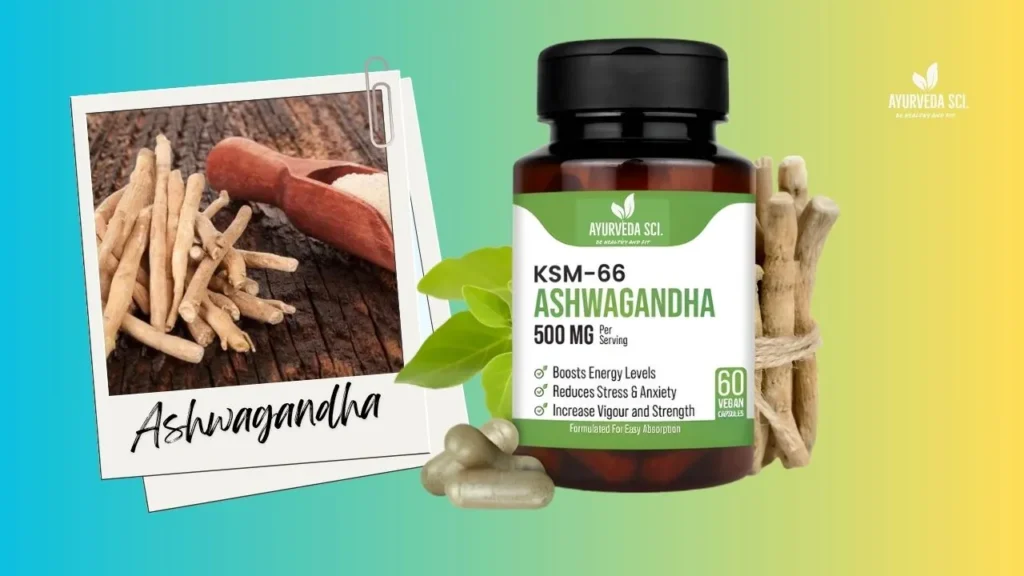
KSM-66 is manufactured by Ixoreal Biomed and took 14 years of research and development to perfect. Its extraction process was inspired by the classical milk-based ashwagandha preparations described in Ayurvedic texts, using a whey carrier matrix before final extraction. The process uses root material exclusively — the plant part specified in classical Ayurvedic pharmacopoeias.
KSM-66 has been evaluated in 22 “gold standard” double-blind, placebo-controlled human clinical trials, making it by far the most consumer-tested ashwagandha extract, having been on the market since 2012.
Its withanolide content is standardised to a minimum of 5%, which sounds lower than Sensoril’s 10% — but this comparison needs context. KSM-66 is a root-only extract deliberately preserving the natural ratio of withanolide compounds as they appear in the root. This is considered closer to what Ayurvedic medicine has used clinically for millennia.
KSM-66 has the stronger published evidence specifically for sleep outcomes. A randomised double-blind trial in 150 healthy adults found that 300 mg KSM-66 twice daily for 8 weeks significantly improved sleep quality, sleep efficiency, total sleep time, sleep onset latency, and wake after sleep onset.
Best for: Athletes, men seeking testosterone support, cognitive performance, general stress and anxiety management, anyone who wants the most clinical evidence behind their supplement.
Sensoril — the higher-potency, lower-dose option
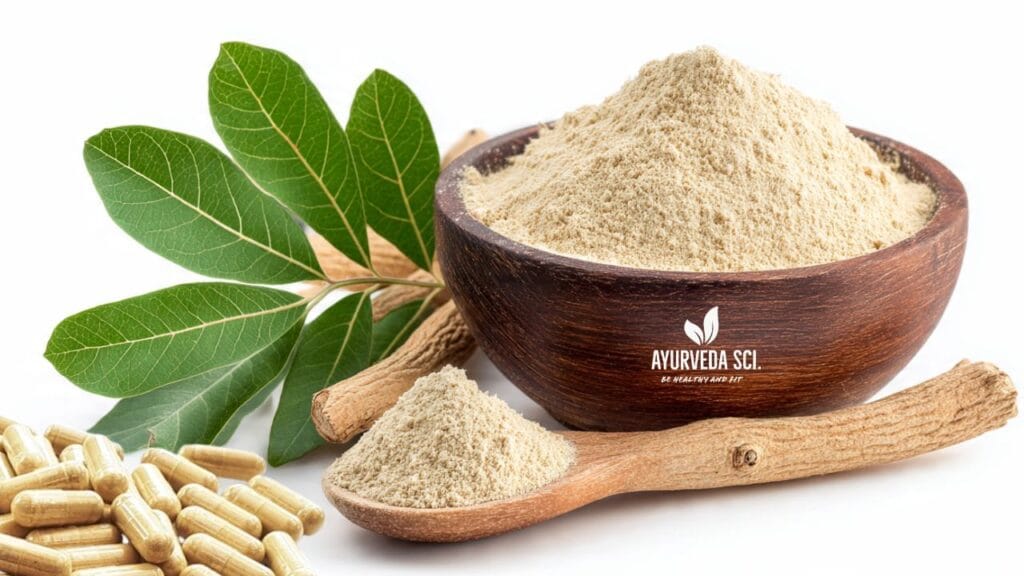
Sensoril is manufactured by Natreon Inc. and takes a different approach — it uses both the root and the leaf of the ashwagandha plant. Sensoril ashwagandha contains a greater total concentration of biologically active constituents, standardised to 10% or greater withanolides — twice the amount found in KSM-66.
This higher concentration has a practical advantage: Sensoril demonstrates similar cortisol-reducing effects at a considerably lower milligram dose — 125 mg versus 600 mg for KSM-66 — reflecting its higher withanolide concentration. If pill size or dose frequency matters to you, Sensoril is the more efficient option.
One common concern about leaf-based ashwagandha is the higher withaferin-A content. Withaferin-A is a potent withanolide — it is the compound most studied for anti-cancer properties — but it has also been implicated in rare liver toxicity reports. Natreon addresses this directly: Sensoril ensures health-promoting nutrient ratios are balanced while keeping withaferin-A at less than or equal to 0.5%.
Anecdotally, most people report that Sensoril is the better nighttime ashwagandha supplement, while KSM-66 is superior for daytime use and stimulating cognitive function.
Best for: Sleep support, evening relaxation, those sensitive to larger capsule doses, and people seeking stress relief with a twice-daily low-dose protocol.
Raw ashwagandha powder — the traditional choice
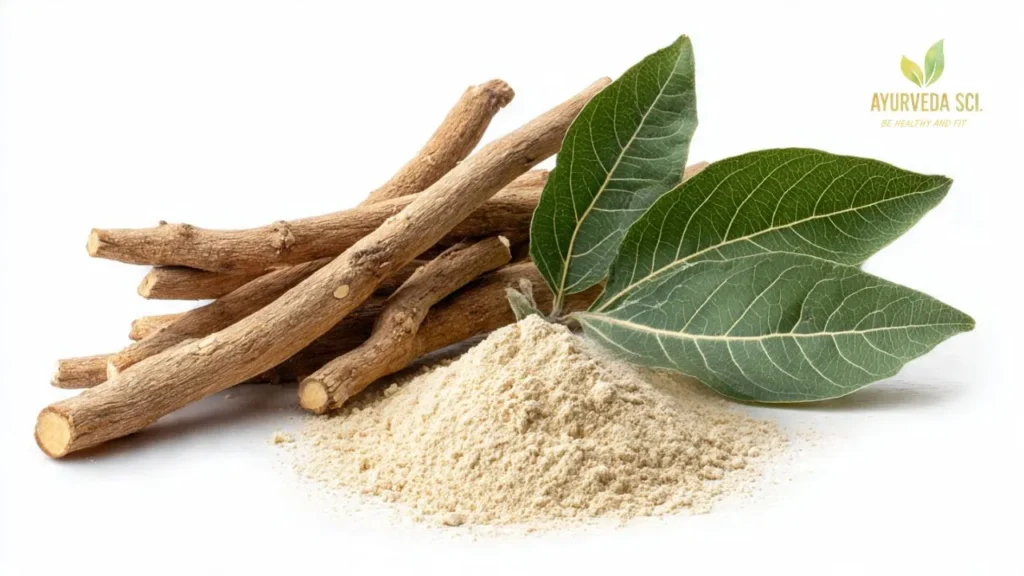
Raw ashwagandha powder is simply the dried root ground into a fine powder. It has not been extracted, concentrated, or standardised. This is the form that Ayurvedic physicians have used for thousands of years — mixed into warm milk with honey, combined with ghee, or prepared as a herbal decoction.
Generic or powdered ashwagandha typically contains 0.5% to 2% withanolides. This is not a fixed number — it varies considerably depending on the region the root was grown, the quality of the soil, when it was harvested, and how it was stored. Raw ashwagandha crops vary tremendously in their withanolide content depending on growing conditions, meaning inconsistency is a significant limitation.
To put the dose requirement in perspective: to get the therapeutic dose of active compounds found in a single 300 mg standardised capsule, you might have to swallow several grams of raw powder. The traditional Ayurvedic dose of raw root powder ranges from 3,000 mg to 6,000 mg daily — typically taken as a teaspoon stirred into warm milk.
This form is not inferior — it is simply different in purpose. The full plant matrix, with all its fibre and minor compounds intact, is what traditional medicine has validated over thousands of years. Raw powder is better suited for a holistic, non-targeted approach, while standardised extracts in capsules are most effective for clinically validated, targeted use.
Best for: Traditional Ayurvedic preparations (golden milk, moon milk, herbal tonics), general daily wellness, those who prefer whole-food supplements, and anyone following an Ayurvedic dietary protocol.
How to choose — a simple decision guide
Choose KSM-66 if you want:
- The most clinical research behind your supplement
- Support for testosterone, muscle recovery, or athletic performance
- Cognitive function and focus support
- Morning or daytime use
Choose Sensoril if you want:
- A smaller capsule with fewer milligrams
- Primary focus on sleep quality and deep relaxation
- Evening or nighttime use
- Slightly faster cortisol reduction at lower doses
Choose raw powder if you want:
- A traditional Ayurvedic experience
- To mix ashwagandha into food and drinks
- A whole-plant supplement without extraction
- The most affordable option
One thing all three have in common
Regardless of form, consistency is the most important factor. Most herbal supplements and adaptogens take time to produce noticeable effects, so do not expect drastic results overnight — make a habit of taking ashwagandha daily for at least two to four weeks before reassessing. PubMed Central Most clinical trials showing significant results ran for six to twelve weeks. This is not a supplement you take once and feel. It is one that builds steadily in the background.
A note on label reading: If a product simply says “ashwagandha extract” without stating a withanolide percentage or a branded extract name, approach it with caution. The most reliable products will clearly state KSM-66 or Sensoril on the label, or specify the exact withanolide percentage. Anything that claims a “20:1 extract” without stating actual withanolide content is using a marketing figure, not a quality guarantee.
Recommended Articles for you